


How Sleep Apnea Can Affect Your Oral Health
What is sleep apnea?
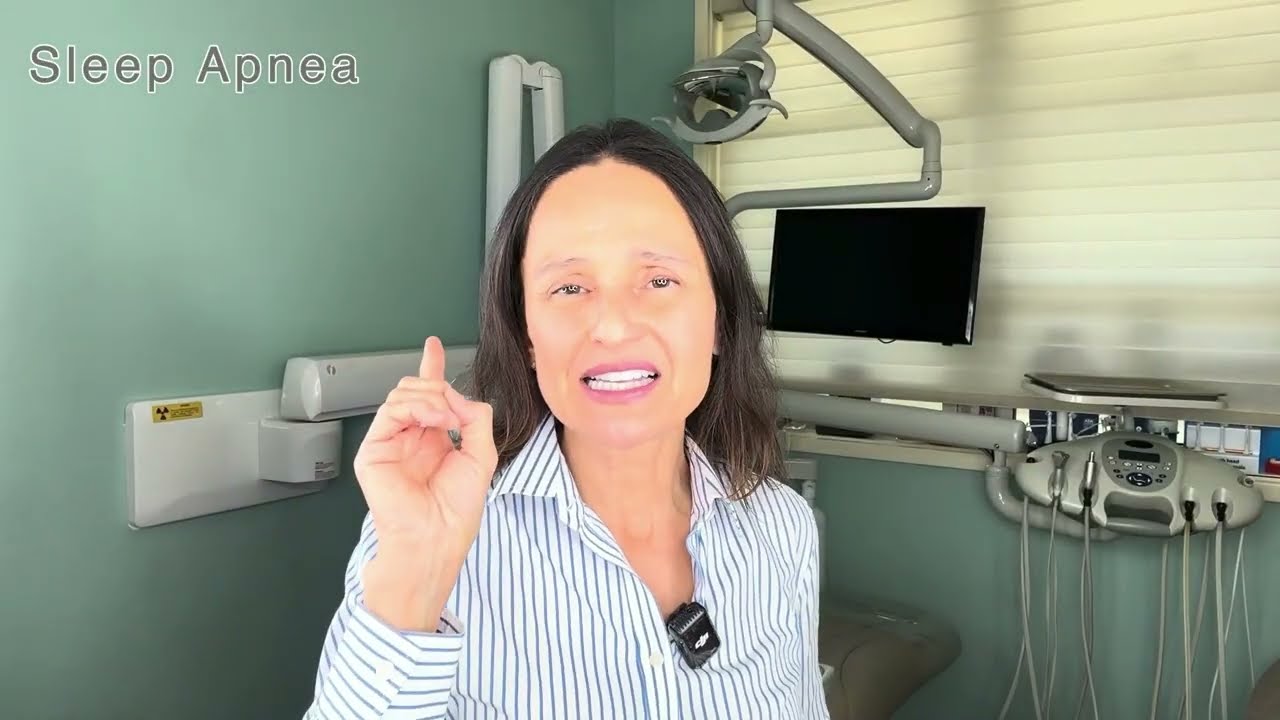
Sleep apnea is a pause in breathing during your sleep. Basically, it is when you stop breathing, and sometimes people will look like that or sound like they're snoring and it's basically when you stop breathing and you're trying to gasp for air.
There are three types of sleep apnea. You can have obstructive sleep apnea, which is usually due to a physical reason or origin. It could be your throat closing or your tongue going in the back. That would be more of a physical thing. Then there's also central sleep apnea type, which can be caused by messages going from the brain to the muscles in your throat and your head and neck that are failing to be sent successfully, causing your throat to close. There's also a combination of sleep apnea that is obstructive and central nervous in nature. You can have either one of those two or a combination of the two.
Who is at risk for sleep apnea?
Usually, sleep apnea is something that increases with age, but that is not to say that children do not have sleep apnea. Sometimes they can, and many families realize their child has sleep apnea when they go on vacation, stay in a hotel, and notice the child's snoring or difficulty breathing during sleep.
It can happen to anyone, but people who are generally overweight—that is the number one reason, I would say, and a very big factor. As you gain weight and age, your body doesn't just expand outwardly; it expands inwardly too. Your airway, the diameter of the throat, closes, the tongue enlarges, and it creates obstructions in your breathing airway.
How does sleep apnea affect your oral health?
If you have sleep apnea, it can cause you to grind your teeth more than usual. It can cause dry mouth because when you're kind of open like this, it can cause the saliva to dry out. With less salivary flow, your mouth is dry, increasing the chance of cavities on your teeth.
You can also get mouth sores. When your mouth is dry, your skin can get really dry, making it easy to get sores. You can get gum inflammation, called gingivitis. A lot of times when people are mouth breathers, what I have noticed is that this area will be really red and swollen. Their hygiene will be fairly good, but if you're breathing or sleeping with your mouth open, that can dry out the gums and cause them to become red and inflamed, leading to gingivitis or periodontal disease.
If you have poor sleep, it can weaken your immunity. As you've all heard, when you don't sleep well, your immunity goes down. Periodontitis or gingivitis, gum disease, is mainly caused by the inability of a person's body to fight off the bacteria in the gums. If you are having sleep difficulties, that will increase the chances of you having gum disease. Your mouth will stay open, your immunity will go down, and you'll be less likely to fight off infections by bacteria that cause disease in your gums and bone sockets.
Also, TMJ disorders, joint disorders, can occur. This is because when you're open, sometimes your jaw can be misaligned. I'm just giving you some examples here, but this is what people really look like. They're like, you know, and sometimes the joints can get misaligned and create problems with the TMJ, the temporomandibular joint, which is the joint that joins here towards and kind of touches the base of the skull there.
How can a dentist help diagnose and treat sleep apnea?
Technically speaking, or at least in California, we as dentists are not allowed to formally diagnose sleep apnea. We can have a hunch that you have it, but what we do is work in conjunction with a medical doctor who will officially diagnose you with sleep apnea. Once that's done, we can work together to help you come up with solutions to treat your sleep apnea.
Can oral surgery help me cure sleep apnea?
It can, but it's not a one-and-done solution for everybody. I have seen it work for some people where they got some sort of surgery and it helped them, but there's also been a significant number of people who've had the surgery, different kinds of surgery inside the mouth to try to improve or eliminate sleep apnea, and it hasn't worked on them. It's not always a 100% guarantee that it'll work. It just depends on your situation.
What appliances do dentists recommend for sleep apnea?
There are some appliances that are clear, like trays that go on the upper and lower teeth. This is one of the most common in dentistry, called a mandibular advancement appliance. You put it on, and it moves your jaw forward, creating airway space so you can breathe better. Does it work on everyone? No. Just like surgery, it doesn't work on everybody. Every case is different. You just have to try different things until you find the one that works for you.
There are also other appliances where you could just put a nasal piece in your nose, and it pushes air. They have full mask appliances. Those are really hard for a lot of people, but it just depends. You just have to work and find the one that's going to work for you.
How can I schedule an appointment to talk to a dentist about my sleep apnea?
At Virginia H. Ellis, DDS Dental Corp., you come first. Whether you need dental care or simply have questions, call us at (925) 254-4043 or email [email protected] to schedule your visit. Our team is here to help you every step of the way.