



All You Need To Know About Dental Fillings
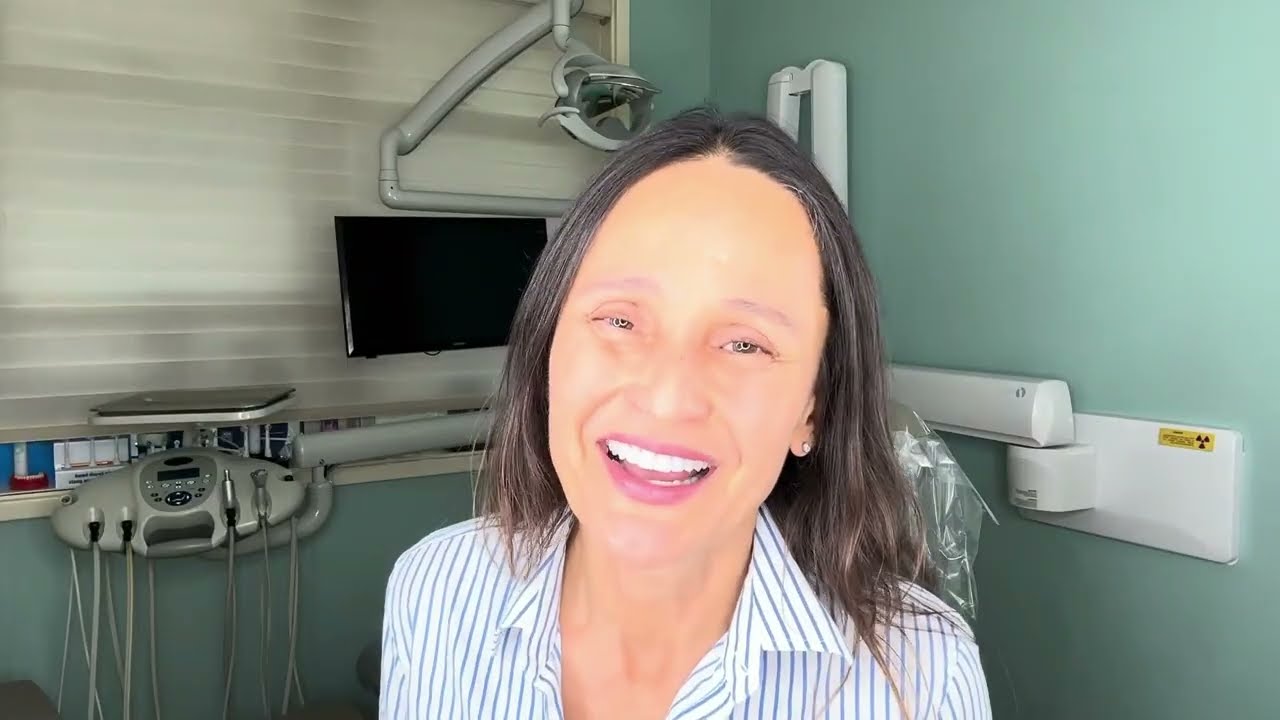
Dr. Ellis, what are dental fillings?
A filling is used to replace missing tooth structure over an area that was removed due to a cavity or a tooth break. It's a filling that is used to replace tooth structure after the removal of a cavity or after fixing a broken tooth.
Can dental fillings be avoided?
Great question. They can if they are detected at an early stage. If you have something that's an early cavity where it hasn't reached a level that requires drilling, we can certainly monitor it. We can do certain treatments.
One treatment is sodium diamine fluoride, but it usually tends to stain the teeth. It's often done on children with teeth that are going to fall out because it stains the teeth black, but it prevents the need for a filling.
For an elderly population that is no longer able to brush well, we can stabilize and arrest the cavity with sodium diamine fluoride. Usually, you do not need shots for this type of treatment.
Can dentists do a tooth filling without drilling?
Sometimes you can, but usually, you do need anesthesia. It depends on the case, but more often than not, you need anesthesia to ensure comfort.
What are the different types of fillings in dentistry?
There is something called a white filling, or resin filling, which is resin mixed with powdered glass. These are the types of white fillings used instead of the silver-colored fillings.
A silver filling is an amalgam filling, which is a metal filling made of tin, mercury, silver, and copper. It's an alloy, a metal mixture with different properties from its components. For instance, the mercury in the silver filling is not liquid like pure mercury and binds to other metals, altering its properties.
Ceramic fillings are custom-made fillings made of porcelain or ceramic material, often requiring two visits. Gold fillings are custom-made from gold, usually 18 karat.
Can my dental fillings match my tooth color?
Of course. Modern filling materials like resin composites, which are resin mixed with powdered glass, or ceramic materials, can match your teeth very closely.
Does a dental filling procedure hurt?
Generally not, because we will numb you. You will feel cold, touch, and pressure, but not pain. If you do, just let us know. It's not realistic to say you won't feel anything, but people can handle pressure, cold, and vibration.
Can I brush my teeth after getting a tooth filling?
Usually, yes. If it's a resin or white filling material like composite or ceramic, you can brush your teeth.
Do dental fillings need to be replaced?
Like most things in life, the answer is yes. Few things last forever, including us. If you maintain them like a car, they will last longer. Good dental care, regular checkups, and a healthy diet will extend the life of your dental work.
How much does a tooth filling cost?
It depends. It could be as cheap as $50 or as much as $4,500. It varies based on the material used, such as gold, ceramic, or silver, and factors like the doctor's fees, location, and other considerations. You'll get an estimate during your checkup at the office.
When should I schedule a dental appointment if I think I might need a filling?
If you’re ready to schedule an exam or would like to learn more about our services, we’d love to hear from you. Call us at (925) 254-4043 or email [email protected]. We look forward to caring for your smile.