


What You Can Do For Your Crowded Teeth
What are the effects of crowded teeth?
If you have crowded teeth, they're harder to clean. They predispose you to gum disease and you run a higher risk of losing your teeth. Also, because they're harder to clean, you have a higher chance of getting cavities. You're more cavity-prone and more gum disease-prone.
Crooked teeth are generally unhealthier because they're harder to clean. Mild crowding involves maybe one tooth slightly rotated, two teeth. Moderate is a few teeth that are misaligned or crowded. Severe crowding is when your whole mouth has misaligned and crooked teeth.
What are the different types of braces?
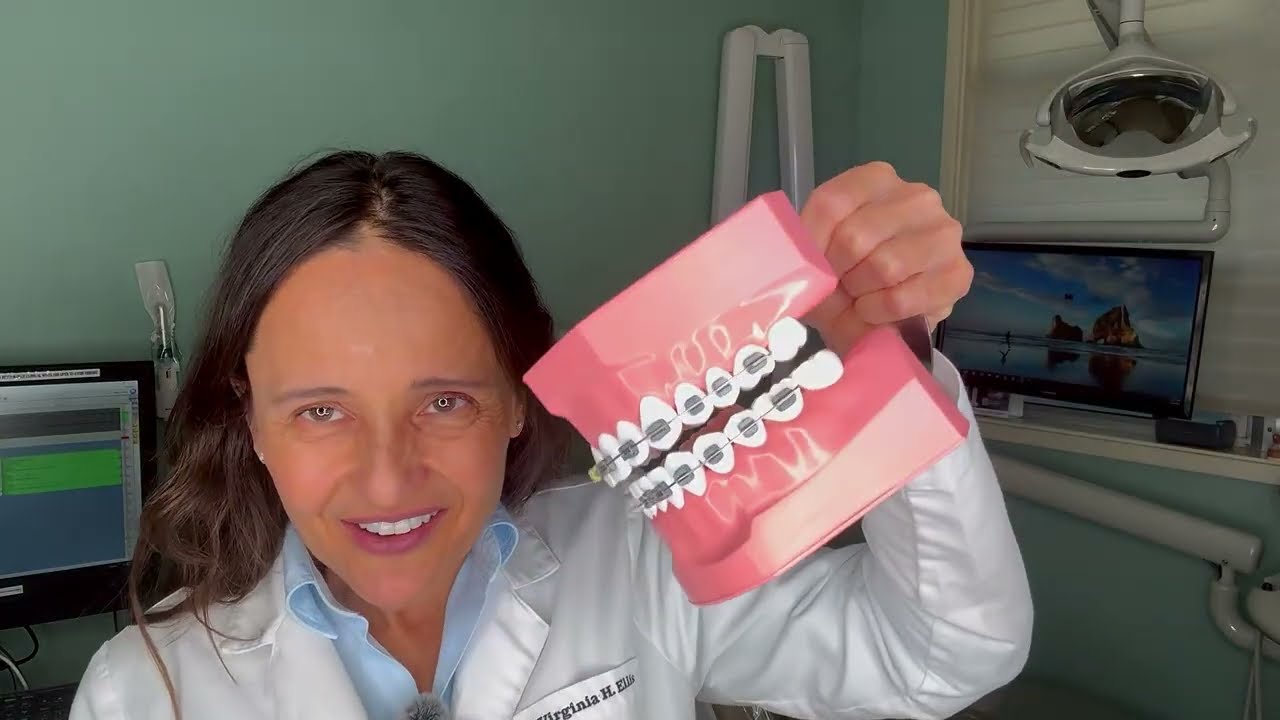
hey're different types of braces, called brackets. Traditional wire brackets can be clear or metal.
There's also something called clear aligners. This is not a clear aligner, but it looks very similar. If this is your mouth, you just put them on. There's another video I have with one of my assistants that shows what it is. You just put them on and off and change trays every couple of weeks. You wear the trays most of the day and only take them off to eat, wearing them all day long. Those aligner trays, the clear trays that are not as visible as the metal brackets, are usually for more simple cases.
When are clear aligners recommended?
Traditional orthodontic treatment involves the brackets I showed you. Clear aligners, like Invisalign, are more for mild to moderate cases. However, if you have something really complex or harder to predict, metal or ceramic brackets are a better choice.
For more complex cases and predictability, choose metal brackets. Milder cases are better suited for clear aligners.
How do crowded teeth affect your life?
Crowded teeth can affect your bite, alignment, looks, ability to speak, and ability to clean your teeth. If your teeth are crowded, your ability to pronounce certain words can be affected, as can the way you eat. Your ability to clean your teeth properly will also be affected.
Additionally, misaligned jaws and crooked teeth can change your appearance and airway space, influencing whether you breathe through your nose or mouth at night. Over time, this can change your appearance because you're overworking certain muscles, affecting your jaw shape and face.
What should you expect with braces?
Before getting braces, understand it's a financial commitment. Bear the length of treatment and avoid removing them too soon, as once removed, you'll be stuck with the results. Expect more frequent cleanings—every three months on average for those with braces or aligners.
During treatment, teeth may feel loose because they need to move. This is normal with clear aligners. With brackets, teeth are tied together and move as a unit, so they don't feel as loose. When you finish treatment, expect changes in appearance. Adults may find this more noticeable than teenagers. With brackets, the change is more apparent once removed, unlike clear aligners, where changes are gradual.
What are some considerations with braces?
Sometimes the bone level and gum thickness are smaller and thinner in adults, requiring consultation with a gum specialist or periodontist to correct or add bone width or gum level root coverage, as gums may recede. Repositioning teeth can create dark triangles. This is more common among adults. If teeth are harder to clean, you're more likely to get cavities and gum disease, which can lead to tooth loss. It affects chewing, speaking, appearance, and self-esteem, impacting quality of life.
Want to learn more? Call Virginia H. Ellis, DDS Dental Corp. at (925) 254-4043 or email [email protected]. Our team is happy to answer your questions and help schedule your visit.