


What Is Restorative Dentistry and Why Is It Important?
What is restorative dentistry?
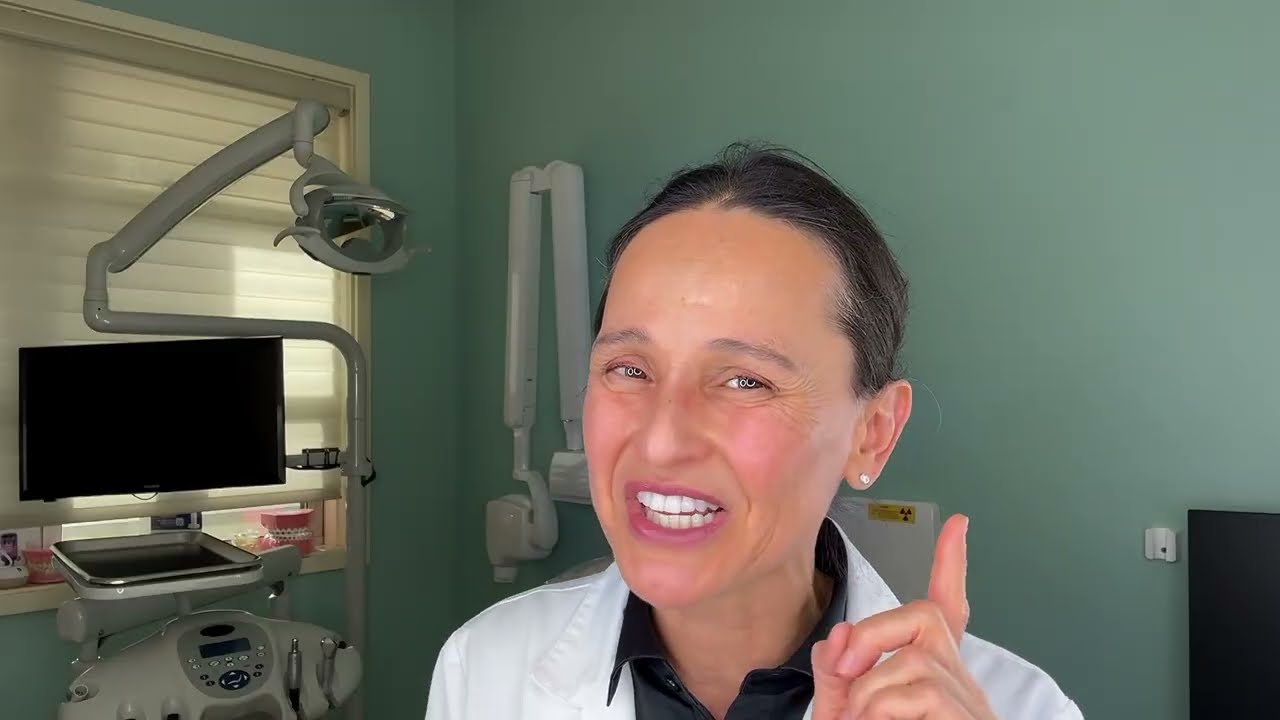
This involves fixing broken teeth, teeth that are diseased with cavities, and teeth that are missing. Basically, restorative dentistry is about fixing teeth, bringing them back to function so you can chew and speak, replacing missing teeth, and taking people out of pain. If you have an infection, we're restoring the tooth back to health.
How is cosmetic dentistry different than restorative dentistry?
Cosmetic dentistry focuses on how your teeth look, emphasizing your smile. Cosmetic dentistry tends to be more optional, while restorative dentistry is medically or dentally necessary.
If you have cavities and your tooth has a hole or bacteria infecting it, you need a filling. I do white fillings, but you could also have a filling like this. This is half a tooth. That would be restoring a tooth. A cracked tooth that needs a crown—we do white crowns. Just to show you, if the tooth is broken, you can put a crown on the tooth, or if you want a white restoration. These are hard to get out. You would fix the tooth something like this, prepare it like this, and then put a white cap or onlay on the tooth.
If you're missing part of a tooth, we'll shave it, shape it, put a temporary, and then put a crown in there. If you need a veneer, this would be considered cosmetic. If you want to put something like a press-on nail over here, similar to what you would do with your nails, that would be a veneer. That would be considered cosmetic. But a filling is restorative, and a crown for a broken tooth is restorative dentistry. Cosmetic would be getting veneers to improve the looks of your teeth or bleaching your teeth. That is considered cosmetic dentistry.
The primary goal is to get you out of pain. If you have a cavity, often people don't experience pain until it's advanced and causing swelling with pus in the face, which is not fun. The benefit of restorative dentistry is to get you out of pain and enable you to use your teeth. If you have a broken tooth, you can't eat well. If you have a missing tooth, we help you replace it, improving your ability to chew, speak, and look better. That is partially cosmetic, but it's really to restore function and health in your mouth. Health is the top priority.
Are there risks involved with fillings and crowns?
Yes. An implant can lead to infection. Anytime you have surgery, in your body or mouth, there's a risk for infection. When doing crowns or fillings, complications like later needing a root canal can arise, although it's not always the case. Just remember, when you get fillings, crowns, or implants, it's considered restorative dentistry. There's no 100% success rate. Usually, it's very close, but nothing is guaranteed.
In dentistry, there's a high success rate for dental work to last. In my office, it's pretty high, but you must do your part. We deliver good work, but you need to take care of yourself by brushing, flossing, and coming in for checkups or cleanings. This ensures your work will last longer.
Think of it like a car. It can be well made, but without good care or bringing it in for recalls, it won't last as long and might leave you stranded. The overall success rate, according to research, shows a 13.9% failure over a 13-year period for dental work. That's not bad. Remember to do your part. It's not just about us providing good dental work; it's about you maintaining it.
What are the most common foods that lead to broken teeth?
You might be surprised, but the number one tooth breaker is hard bread. Our lovely French baguettes, croutons, and toasted bagels, be careful with those. They really do break teeth and are the number one reason why I have to do crowns on teeth, especially the back molars.
The second major tooth breaker is popcorn kernels. You have no idea how many times I have done crowns because people eat popcorn. The way to eat your popcorn is to pick up each popped corn, look at it to make sure that there is no unpopped portion of the kernel in it. Not only do popcorn kernels break your teeth, but the yellow skin on the popcorn kernels sometimes gets stuck in between the gums on your teeth, leading to swollen, sometimes infected gums.
The third tooth breaker is chewing ice. Get rid of that habit. If you chew ice, chew it slowly. Don't bite down hard and fast on something like ice. That will be a major tooth breaker.
The fourth tooth breaker is food with pits such as olives and cherries. Be careful with them because once in a while you will bite down on something that says pitted and it is not pitted. Always bite down things and olives, slowly cherries, just because you never know if there's a pit in there.
Yes, you read it right. My other one once in a while is crispy bacon. If you make it too crispy, watch out, it'll be breaking your tooth.
And the final one, it is biting down on forks. People have come in, they were so hungry and eating so fast that they actually bit down on the fork and they broke their front teeth. So yes, those are basically my top six breakers: Hard bread, popcorn kernels, ice, food with pits like olives and cherries, crispy bacon, and biting on the fork.
Your dental health matters to us, and we’re here to support you every step of the way. If you’re looking for expert dental care near Orinda, CA, call (925) 254-4043 or email [email protected] to learn more. Ready to get started? Schedule your appointment below.